⚙️ Reliable Equipment, Exceptional Care.
💡 Empowering Healthcare with Precision Technology.
🔧 Complete Solutions — From Sales to Service.
💼 Bringing Advanced Medical Equipment to Your Doorstep.

AED Pads

Buy AED Pads

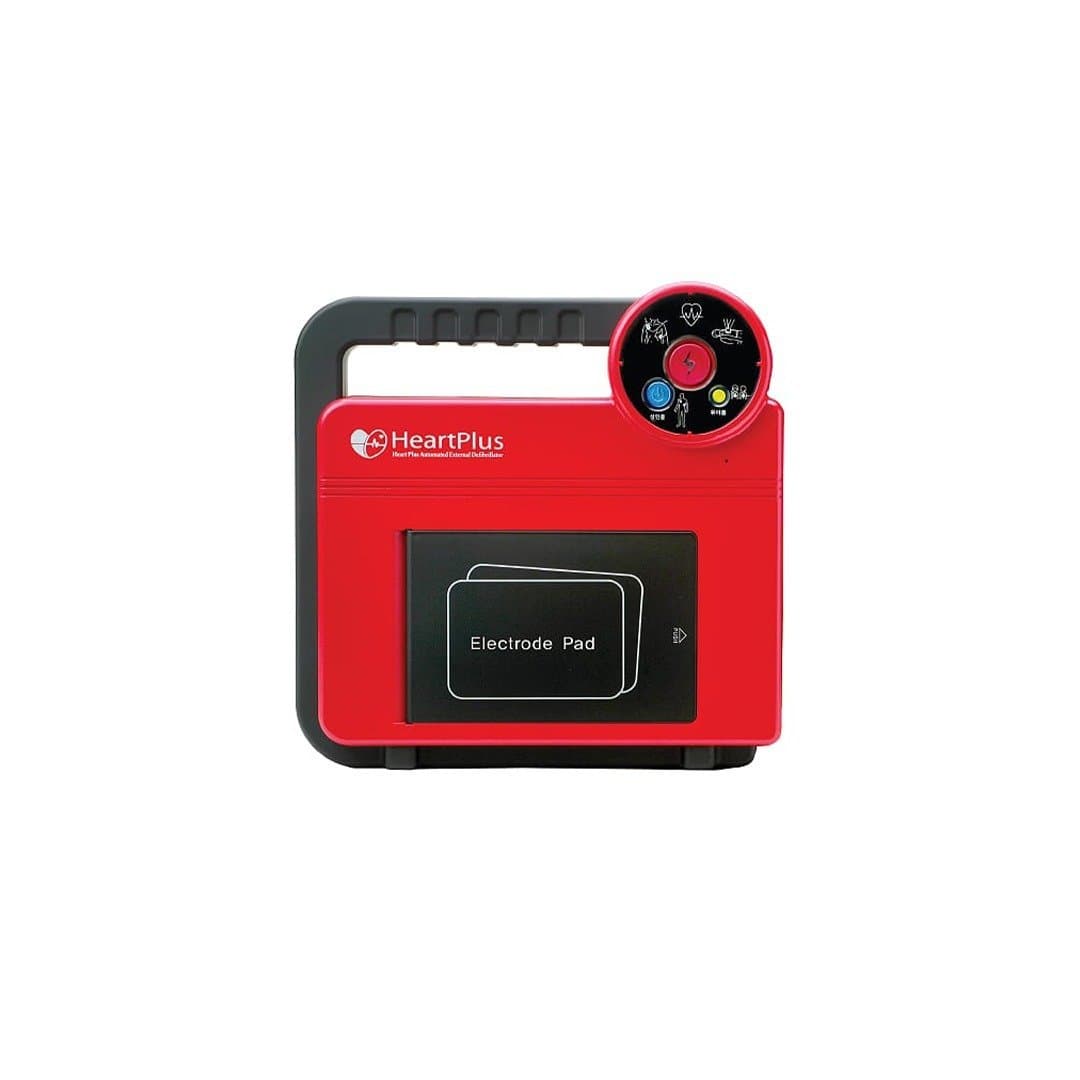
Buying high-quality AED pads is important for ensuring effective emergency response during sudden cardiac arrest. AED pads are attached to the patient’s chest to deliver a controlled electric shock that helps restore a normal heart rhythm. Since pads are single-use and have an expiry date, regular replacement is necessary for proper device performance. Choosing certified and compatible AED pads ensures safety, accurate shock delivery, and reliable life-saving support when every second matters.
What Are AED Pads?

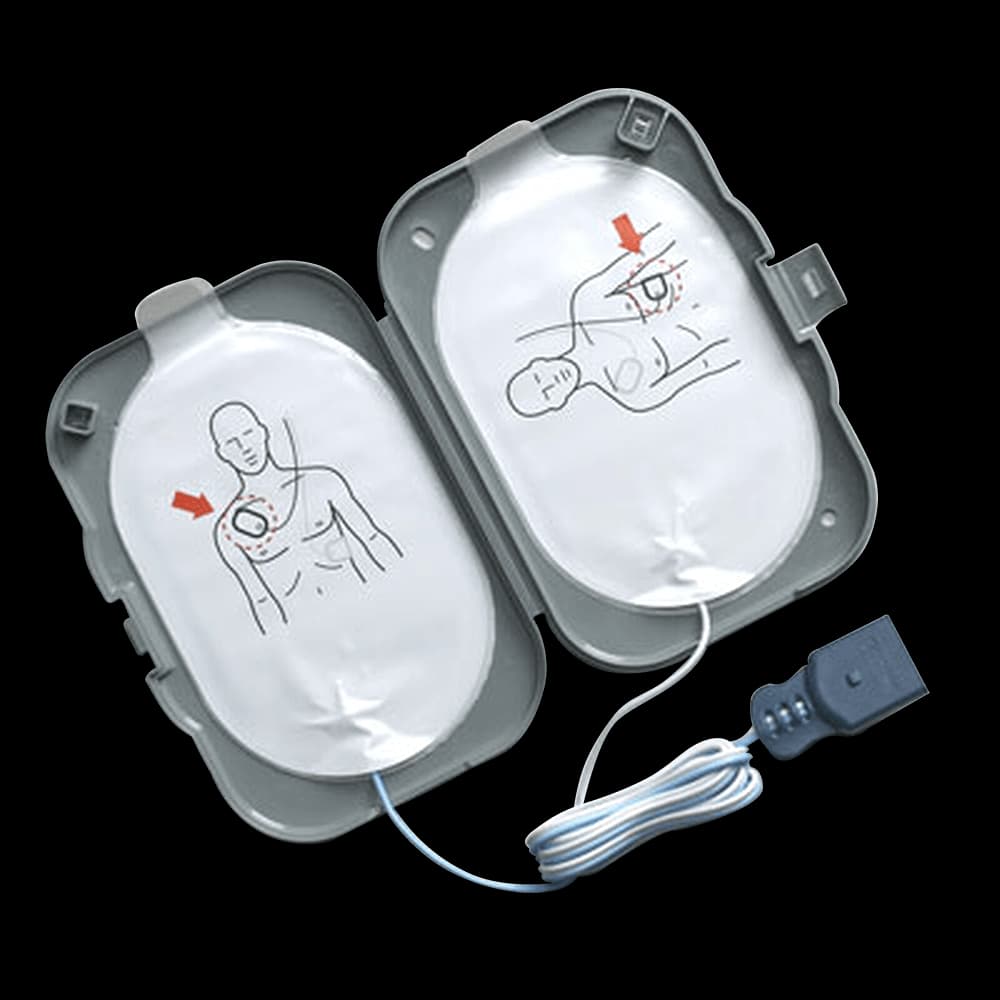
AED pads are adhesive electrode pads used with an Automated External Defibrillator (AED). They are placed on a person’s chest during sudden cardiac arrest to detect the heart’s rhythm and deliver an electric shock if needed. AED pads are designed for single use and must be replaced after each emergency or before their expiry date. They play a vital role in helping the AED restore a normal heart rhythm quickly and safely.

Applications of AED Pads

  •  Community Health Centers:Local clinics and community healthcare facilities use AED pads for emergency cardiac care
  • .Sudden Cardiac Arrest Treatment:AED pads are primarily used to treat sudden cardiac arrest by detecting abnormal heart rhythms and delivering a controlled electric shock.
  • Emergency Rooms:They are used in hospital emergency departments for immediate life-saving intervention.
  • Intensive Care Units (ICU):AED pads may be used for continuous monitoring and emergency defibrillation support in critical care settings.
  • Ambulance and Pre-Hospital Care:Paramedics use AED pads to provide rapid treatment before the patient reaches the hospital..
  • Public Access Defibrillation Programs:AED pads are installed in public places such as airports, railway stations, malls, and schools to ensure quick response during emergencies.
  • Corporate Offices and Workplaces:Organizations keep AED devices with pads as part of workplace health and safety policies.
  • Sports Facilities and Gyms:They are available in sports complexes to manage heart emergencies during physical activities.
  •  Home Healthcare Settings:In some cases, AED devices with pads are kept at home for patients at high risk of cardiac arrest.


Importance of AED Pads

  • Life-Saving Support:AED pads are essential in delivering a controlled electric shock during sudden cardiac arrest, helping restore a normal heart rhythm.
  • Accurate Heart Rhythm Detection:They transmit the heart’s electrical signals to the AED, allowing the device to assess whether defibrillation is required.
  • Quick Emergency Response:Their simple design allows rapid placement on the chest, enabling immediate action in critical moments.
  •  Essential for Public Safety:AED pads are widely used in public access defibrillators, supporting early intervention before medical teams arrive.
  • Single-Use for Hygiene:Designed for one-time application, they reduce the risk of infection and cross-contamination.
  • Reliable Device Performance:Properly compatible pads ensure the defibrillator works efficiently and delivers accurate energy levels.
  • Improved Survival Chances:Fast and effective use of AED pads significantly increases survival rates in cardiac emergencies.
  • User-Friendly Design:Clear placement diagrams on the pads guide users, even those with minimal medical training.
  •  Expiry Monitoring for Readiness:Regular replacement before expiration ensures the AED remains fully prepared for emergencies.
  • Safe Energy Delivery:AED pads are designed to distribute electrical energy evenly across the chest for effective and safe defibrillation.

How to Use AED Pads

Step 1: Turn on the AED

Switch on the Automated External Defibrillator (AED). The device will provide voice and visual instructions to guide you.

Step 2: Expose the Chest

Remove clothing from the person’s chest. Make sure the skin is dry and clean before applying the pads.

Step 3: Attach the AED Pads

Peel off the backing and place the pads firmly on the chest as shown in the diagram on the pads. Usually, one pad is placed on the upper right chest and the other on the lower left side.

Step 4: Connect to the AED (If Required)

If the pads are not pre-connected, plug the pad connector into the AED device.

Step 5: Allow Heart Rhythm Analysis

Ensure no one is touching the person while the AED analyzes the heart rhythm.

Step 6: Deliver the Shock (If Advised)

If the AED instructs you to give a shock, make sure everyone stands clear and press the shock button.

Step 7: Continue CPR

After the shock, or if no shock is advised, continue CPR as instructed by the AED until medical help arrives.

Where To Get AED Pads?

AED pads can be purchased from certified medical equipment suppliers and authorized healthcare distributors. Hospitals, clinics, ambulances, and public facilities should choose trusted vendors that provide genuine, compatible, and quality-approved AED pads. It is important to ensure the pads match your AED model and come with proper certification and expiry details.

Fastonmed – A UAE-based medical equipment supplier offering high-quality and compatible AED pads for various defibrillator brands. The company provides reliable product availability, professional support, and dependable after-sales service to ensure emergency readiness for healthcare facilities and public safety locations.


Frequently Asked Questions (FAQs)

AED pads are adhesive electrode pads that connect to an Automated External Defibrillator (AED). They stick to the patient’s chest and allow the AED to analyze the heart rhythm and deliver a shock if needed

The pads detect the heart’s electrical activity and transmit the data to the AED. If a shockable rhythm is detected, the AED delivers a controlled electric shock through the pads to help restore a normal heartbeat.

Adult AED pads – For patients above 8 years or over 25 kg.
Pediatric AED pads – Designed for children under 8 years or below 25 kg, delivering reduced energy levels.

No. AED pads are single-use and must be replaced after each use to ensure hygiene and proper performance.

Yes. AED pads have an expiration date (usually 2–5 years). The adhesive gel can dry out over time, which may affect performance. Always check expiry dates regularly.

One pad is placed on the upper right chest and the other on the lower left side of the chest (below the armpit). Follow the placement diagram shown on the pads.

Yes. Avoid placing the pad directly over the pacemaker implant. Place it at least 1 inch away from the device

  • Dry the chest before applying pads.
    If excessive chest hair prevents adhesion, quickly shave the area before pad placement.
  • After every use
    When expired
    If packaging is damaged

Using the correct pads ensures accurate rhythm detection, safe energy delivery, and effective life-saving treatment during sudden cardiac arrest.

Address: Dubai, United Arab Emirates
Email: sales@fastonmed.com

Shopping Cart

Your cart is empty

You may check out all the available products and buy some in the shop

Return to shop