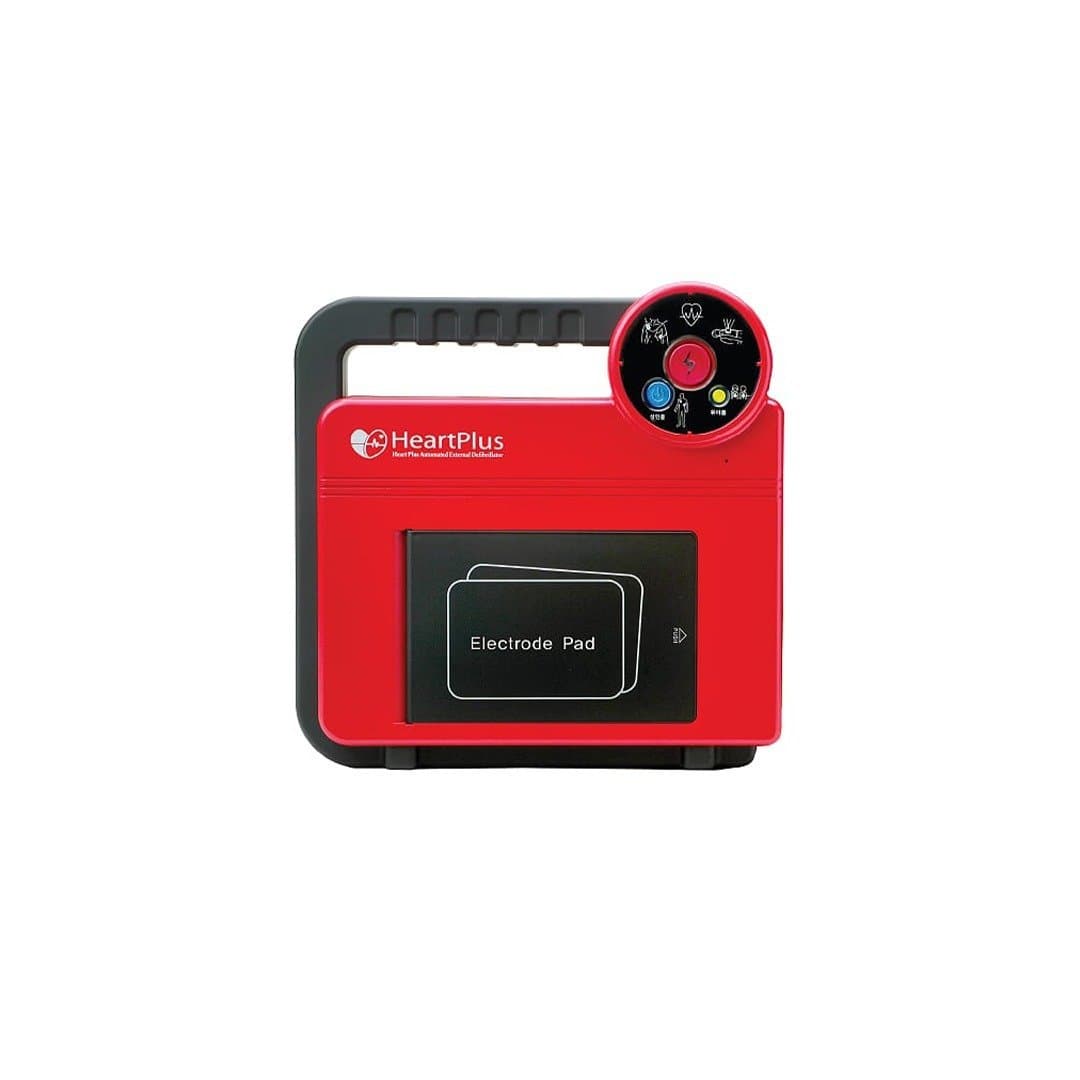
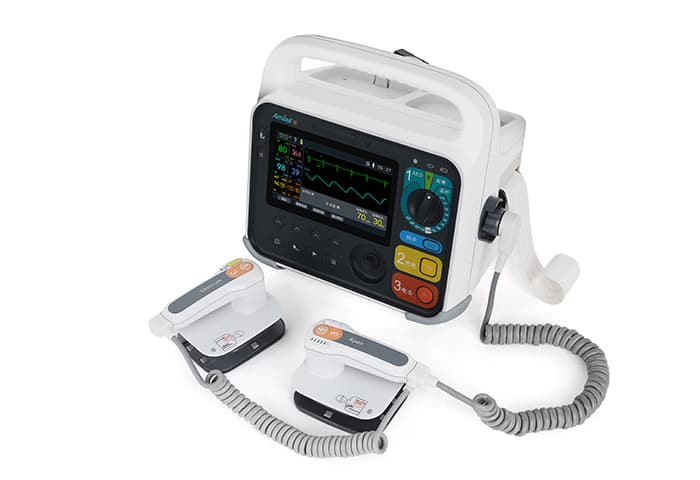
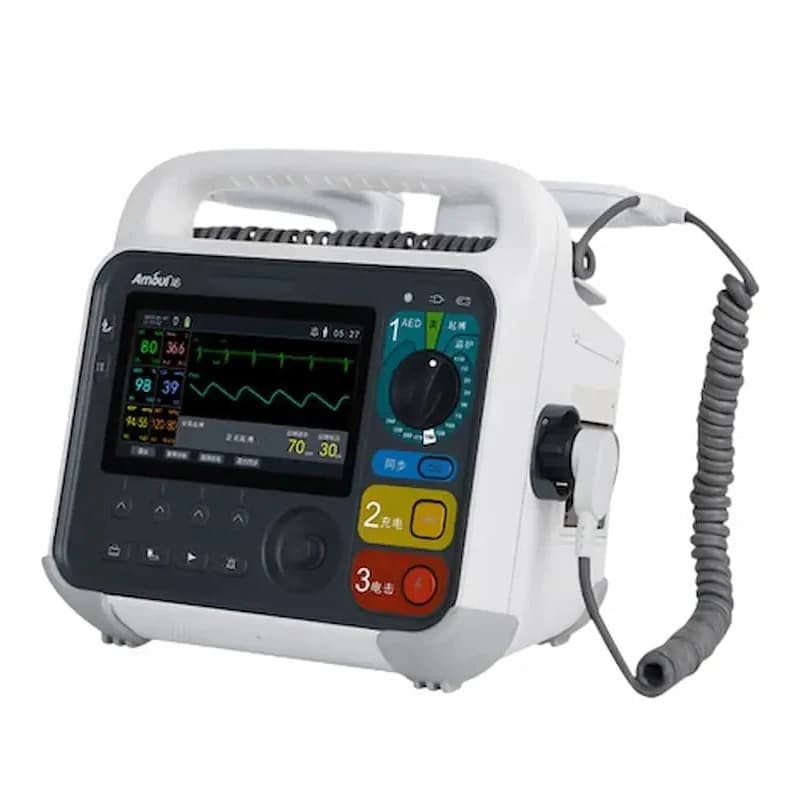
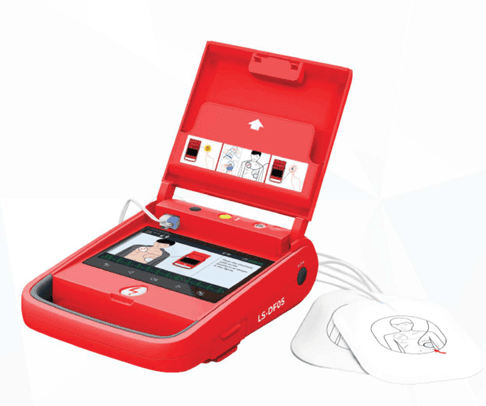
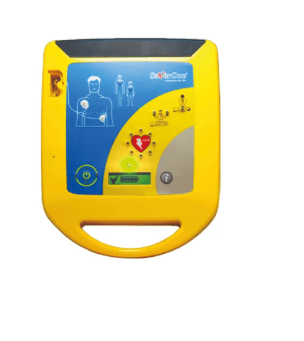
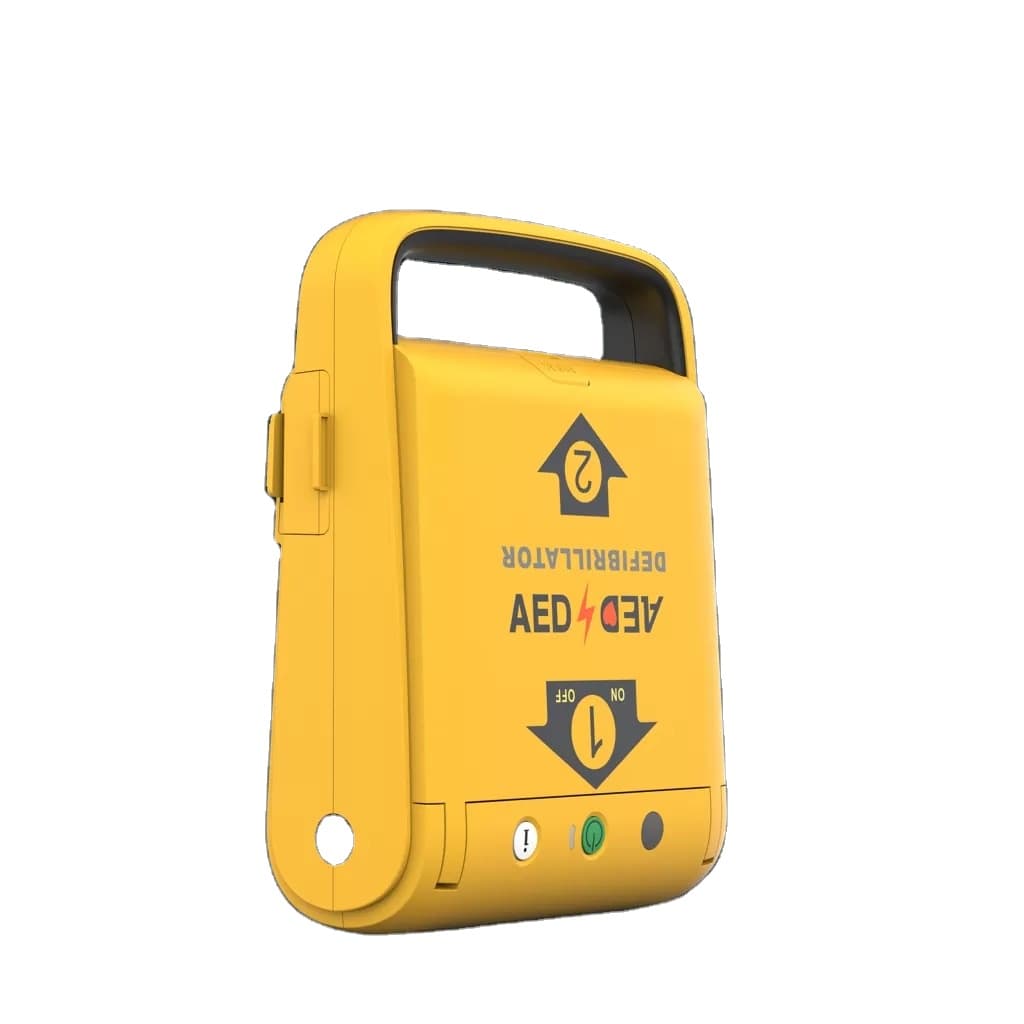
An AED machine, also known as an automated external defibrillator, is a portable medical device used to treat people who are experiencing sudden cardiac arrest, a situation when the heart stops beating suddenly and unexpectedly.
Currently AED machines are available in many public places like government buildings, schools, airports, gyms, and other spaces. The widespread availability of AED machines ensures immediate action during emergencies, especially before medical professionals arrive.
AED devices are computerized defibrillators that can automatically analyze the heart rhythm of people experiencing sudden cardiac arrest and determine whether an electric shock is needed to restore a normal heartbeat. Designed for quick and efficient emergency response, AEDs provide clear voice prompts and visual cues, guiding even untrained users through each step of the process.
These devices are compact, portable, and highly reliable, making them suitable for clinics, offices, public spaces, and even homes. By delivering a controlled shock at the right moment, AED devices significantly increase survival rates, especially when used within the first few minutes of collapse.
Critical Life-Saving Asset: AED machines are non-negotiable safety infrastructure in modern environments where people live, work, and gather.
Immediate Response Advantage: Sudden cardiac arrest is unpredictable; on-site AED availability dramatically improves survival outcomes before medical teams arrive.
User-Friendly by Design: Lightweight, portable, and engineered for use by both healthcare professionals and non-medical individuals.
Smart, Guided Operation: Delivers clear voice prompts, auto-analyzes heart rhythm, and administers controlled shock only when required—eliminating guesswork.
Universal Deployment Value: Essential across clinics, offices, schools, gyms, airports, malls, residential complexes, and private homes.
Home-Level Risk Mitigation: Increasingly adopted by families, especially where elderly members or cardiac-risk individuals are present.
Global Health Relevance: With cardiac disease as a leading global cause of death, AED access is a high-impact preventive investment.
Survival Rate Multiplier: Early defibrillation via an AED significantly boosts survival chances during cardiac emergencies.
Using an AED machine is easy even for someone with no medical experience. Most AED machines provide voice prompts and visual instructions that guide the user through every step. Here are the simple steps to take during an emergency. If someone has collapsed or fainted and an AED is available:
According to an article in The Economic Times, Heart disease causes around 18 million deaths every year worldwide, and in the case of UAE it is the main leading cause of death among non communicable diseases. Health experts report that the mortality rate from heart related conditions in the UAE is higher than other countries.
Placing AED machines in public areas across the UAE can help to reduce these high mortality rates caused by cardiac arrests. An AED machine can deliver a quick life saving shock that restores the heart’s rhythm within the first few crucial minutes.
Since medical emergencies happen anywhere; malls, schools, offices, gyms, or even residential communities; having an AED allows bystanders to act quickly before medical professionals arrive. With its clear voice prompts and automatic rhythm analysis, AED machines can enable bystanders to act confidently during an emergency. Many lives can be saved if an AED is available at the right place and used at the right time.
During DHA & MOHAP inspections, officers mainly check the quality of machines and if clinics are prepared for emergencies especially cardiac arrest. They look for life support readiness, devices like AED machines, and trained staff.
In the case of AED machines, inspectors also check if the AED pads are not expired, the battery is working, and the machine is working properly. Moreover, regular or quarterly checks should be documented in a logbook that contains the pad and battery expiry dates, self-test status, physical condition, and easy accessibility of the device.
Additionally, staff should know where the AED is placed, be trained in basic life support (BLS), and be able to demonstrate how to use it when asked. Dubai Tourism and Civil Defense also encourage AED installation in gyms, swimming pool areas, spa and health clubs, and hotel public lobbies to meet safety audit standards.
Want to buy an AED machine in UAE for clinic, home, office, school, gym, or any public place? Fastomed, certified medical equipment suppliers in UAE deliver DHA-approved and internationally certified Automated External Defibrillators (AED) across UAE.
Fastonmed also provides essential AED accessories such as pads, batteries, and wall mounted cabinets to ensure complete readiness. With reliable warranty support, professional guidance, and competitive AED device prices in the UAE markets, Fastonmed ensures you get the right lifesaving device for your space.
An AED is a portable, intelligent medical device used to treat sudden cardiac arrest by delivering a controlled electric shock to restore normal heart rhythm. It is designed for rapid, on-site emergency response.
AEDs are built for universal usability. With clear voice and visual prompts, they can be safely operated by trained professionals as well as untrained bystanders during emergencies.
Yes. AEDs are legally permitted and strongly encouraged in public places and workplaces across the UAE as part of health and safety preparedness initiatives.
AEDs are recommended for offices, malls, gyms, schools, hotels, construction sites, airports, and any high-footfall or high-risk environment to ensure rapid access during cardiac emergencies.
Minimal maintenance is required. Periodic checks of battery life, electrode pads, and device status indicators are sufficient to keep the AED operational and compliant.
Yes. AEDs analyze the heart rhythm automatically and deliver a shock only if medically required, ensuring maximum safety for both the patient and the responder.
AEDs should comply with international medical standards (FDA/CE) and meet UAE healthcare and regulatory guidelines for medical devices.
Time is critical. Using an AED within the first 3–5 minutes of cardiac arrest significantly increases survival rates, making immediate accessibility essential.
Yes. Professional guidance, installation support, and after-sales assistance are typically available to ensure seamless deployment and long-term reliability.
Installing an AED demonstrates proactive risk management, enhances workplace safety, supports compliance requirements, and reinforces corporate responsibility toward employee and public well-being.

WhatsApp us
Address: Ajman, UAE
Email: sales@fastonmed.com
You may check out all the available products and buy some in the shop
Return to shop