⚙️ Reliable Equipment, Exceptional Care.
💡 Empowering Healthcare with Precision Technology.
🔧 Complete Solutions — From Sales to Service.
💼 Bringing Advanced Medical Equipment to Your Doorstep.

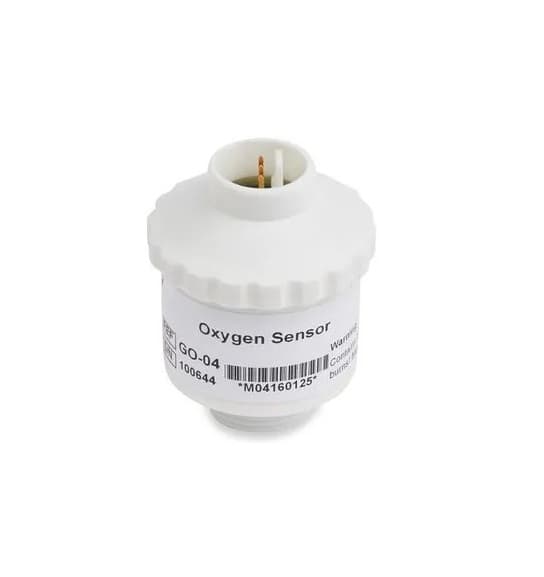
Oxygen Sensor

Buy Medical Oxygen Sensor

Medical oxygen sensors are important parts used in oxygen concentrators, ventilators, and other respiratory devices. They help measure oxygen levels accurately to make sure patients receive safe and effective therapy.These sensors are available as original or compatible replacements and are easy to install. They provide stable performance and reliable readings for everyday medical use. Always choose a sensor that matches your device model to ensure proper function and accurate results.

What Are Medical Oxygen Sensors?

Medical oxygen sensors are devices that measure oxygen levels in medical gases or in a patient’s blood. They are widely used in life-support equipment and monitoring systems in hospitals and home healthcare.

There are two main categories

  1. Gas Oxygen Sensors:Gas oxygen sensors measure oxygen levels in devices such as ventilators and oxygen concentrators. Galvanic sensors generate an electrical signal through a chemical reaction, paramagnetic sensors use oxygen’s magnetic properties, and zirconia sensors rely on heated ceramic elements to detect oxygen pressure variations.
  2.  Blood Oxygen Sensors (Pulse Oximeters)
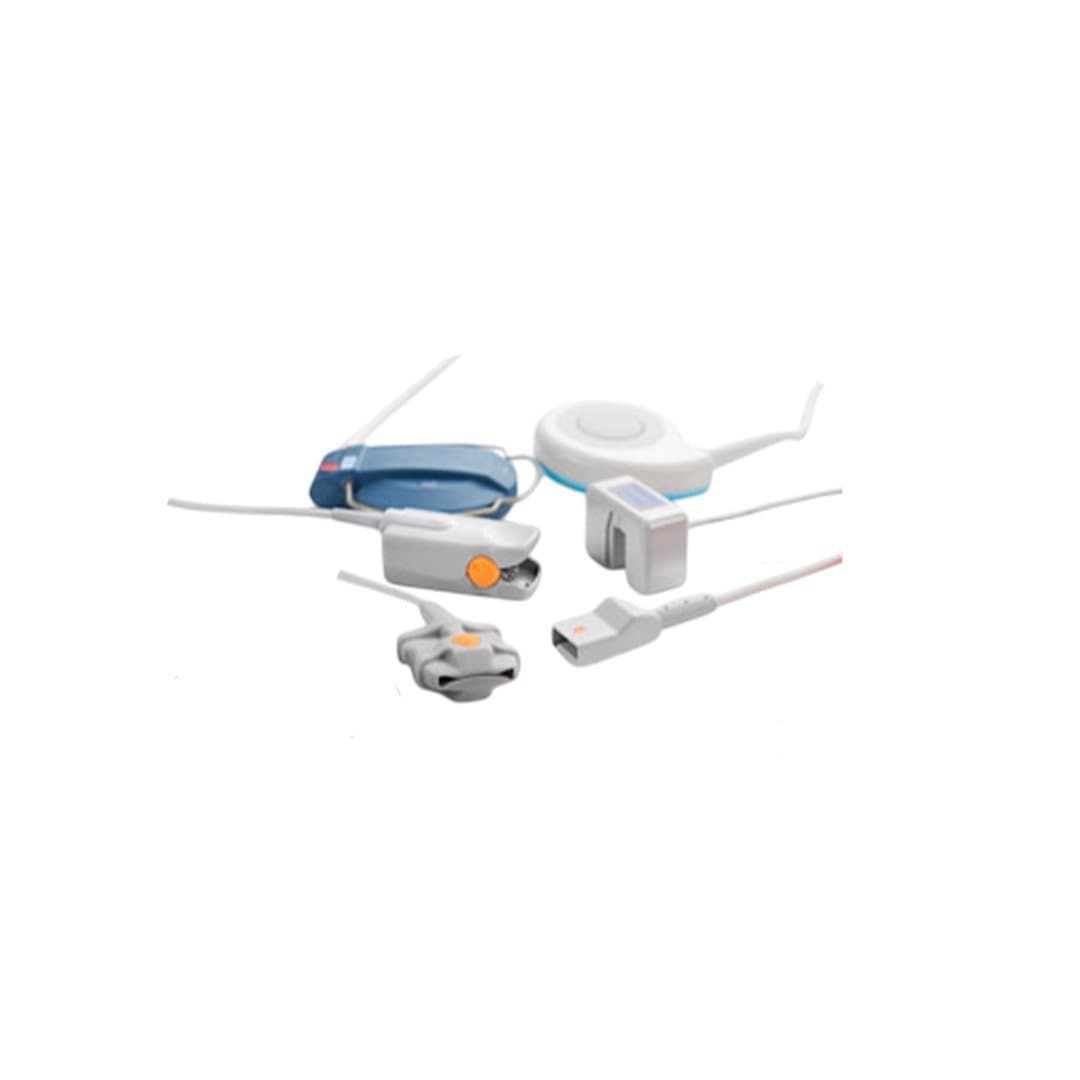
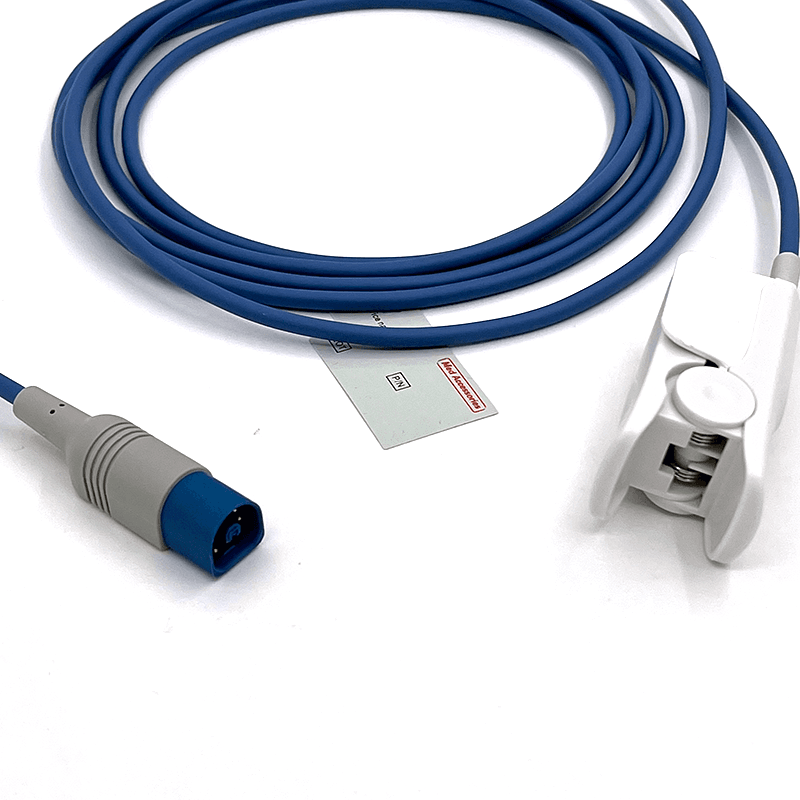
    These sensors estimate blood oxygen saturation (SpO₂) by sending red and infrared light through a fingertip or similar body area.

Applications of Medical Oxygen Sensors

  • Patient Oxygen Monitoring:Medical oxygen sensors are used to measure oxygen concentration delivered to patients in hospitals, clinics, and home care settings. They ensure that patients receive the correct oxygen levels for safe and effective treatment.

  • Ventilators and Anesthesia Machines:These sensors are integrated into ventilators and anesthesia systems to continuously monitor oxygen levels during surgery and critical care. This helps maintain precise oxygen delivery and enhances patient safety.

  • Intensive Care Units (ICU):In ICUs, oxygen sensors play a vital role in monitoring life-support equipment. They provide real-time feedback, allowing healthcare professionals to respond quickly to any changes.

  • Neonatal and Pediatric Care:Oxygen sensors are especially important in neonatal units, where premature babies require carefully controlled oxygen levels. Accurate monitoring helps prevent complications caused by too much or too little oxygen.

  • Emergency and Ambulance Services:Portable medical devices equipped with oxygen sensors are used in ambulances and emergency situations to provide immediate respiratory support and monitor oxygen supply during transport.

  • Home Oxygen Therapy:For patients with chronic respiratory conditions, oxygen sensors ensure that home oxygen concentrators deliver the prescribed oxygen concentration consistently and safely.

  • Medical Gas Supply Systems:Hospitals use oxygen sensors in centralized gas supply systems to monitor oxygen purity and maintain safety standards across different departments.

  • Safety and Equipment Maintenance:Oxygen sensors help detect leaks, monitor equipment performance, and ensure compliance with medical safety regulations, reducing the risk of malfunction or oxygen-related hazards.

Importance of Medical Oxygen Sensors

  • Early Detection of Oxygen Imbalance: Identifies low or high oxygen levels before serious health issues develop.
  • Accurate Oxygen Delivery: Ensures ventilators and oxygen concentrators supply the correct oxygen concentration for safe treatment.
  • Continuous Patient Monitoring: Provides real-time oxygen tracking, especially in ICU and emergency care settings.
  • Improved Treatment Decisions: Supplies dependable data to help clinicians adjust oxygen therapy appropriately.
  • Prevention of Complications: Lowers the risk of organ damage caused by insufficient or excessive oxygen levels.
  • Support for Critical Equipment: Functions as a vital safety component in respiratory and anesthesia systems.
  • Home Healthcare Safety: Allows safe oxygen monitoring for patients receiving therapy outside hospitals.Greater Clinical Confidence: Offers stable and precise readings to support effective medical planning and care management.

How to Use a Medical Oxygen Sensor

Step1: Medical Evaluation
A healthcare professional determines the need for oxygen monitoring based on the patient’s condition or equipment testing requirements.

Step2:  Device Preparation
Check the monitoring system, power supply, cables, and display to ensure everything is functioning properly.

Step3:  Sensor Inspection
Examine the oxygen sensor for damage, contamination, or expiration (for disposable models).

Step4. Installation or Placement

Equipment oxygen sensors are fitted into the designated port of ventilators or concentrators.

  • Pulse oximeter probes are placed on a finger, toe, or earlobe to measure blood oxygen levels.

Step5:  Calibration (If Required)
Calibrate gas oxygen sensors using room air or certified calibration gas for accurate readings.

Step6:  Start of Monitoring
Once connected, the device automatically begins measuring oxygen levels and displays continuous readings.

Step7:  Normal Operation
The patient may rest or continue routine activities as advised, avoiding excessive movement.

Step8:  Observation of Readings
Healthcare providers monitor values and respond promptly to abnormal readings or alarms.

Step9:  Completion and Removal
After monitoring, remove the sensor carefully and clean reusable probes according to hygiene standards.

Step10:  Data Review and Clinical Decision
Medical staff analyze recorded data to assess respiratory status and adjust treatment if needed.

Where To Get Medical Oxygen Sensor

Medical oxygen sensors can be purchased from certified manufacturers, authorized distributors, and trusted medical equipment suppliers. Always confirm compatibility with your device model and ensure the product includes proper certification and warranty support.

Key Supplier:
Fastonmed (UAE) provides dependable medical oxygen sensors compatible with ventilators, anesthesia machines, and oxygen concentrators for hospitals and healthcare facilities.

Frequently Asked Questions (FAQs)


A medical oxygen sensor is a device that measures oxygen concentration either in breathing gases (used in medical equipment) or in a patient’s blood (used in monitoring devices).


They are used in ventilators, anesthesia machines, oxygen concentrators, and pulse oximeters in hospitals, clinics, and home healthcare settings.


Replacement depends on the sensor type. Electrochemical sensors typically last 1–3 years, while other types may last longer with proper maintenance.


Calibration ensures the sensor provides accurate oxygen readings. Without calibration, incorrect measurements may affect patient safety.


A faulty sensor may show unstable or incorrect readings, trigger alarms, or stop functioning. Immediate replacement is recommended.


Gas sensors inside equipment are reusable until their lifespan ends. Pulse oximeter probes may be reusable or disposable depending on the model.


Select a sensor that is compatible with your device model and meets medical certification standards.

Address: Dubai, United Arab Emirates
Email: sales@fastonmed.com

Shopping Cart

Your cart is empty

You may check out all the available products and buy some in the shop

Return to shop