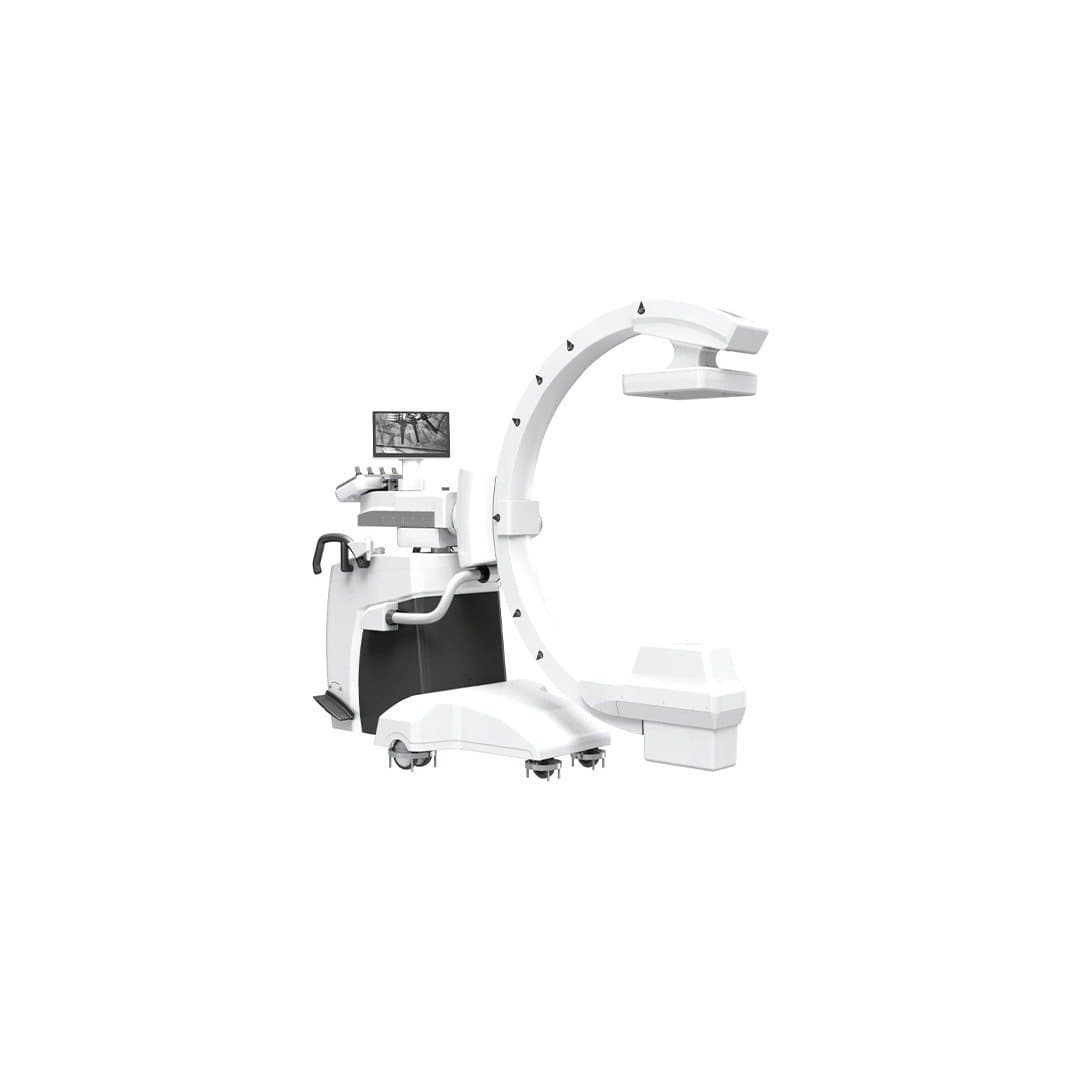
1. What is cardiology equipment?
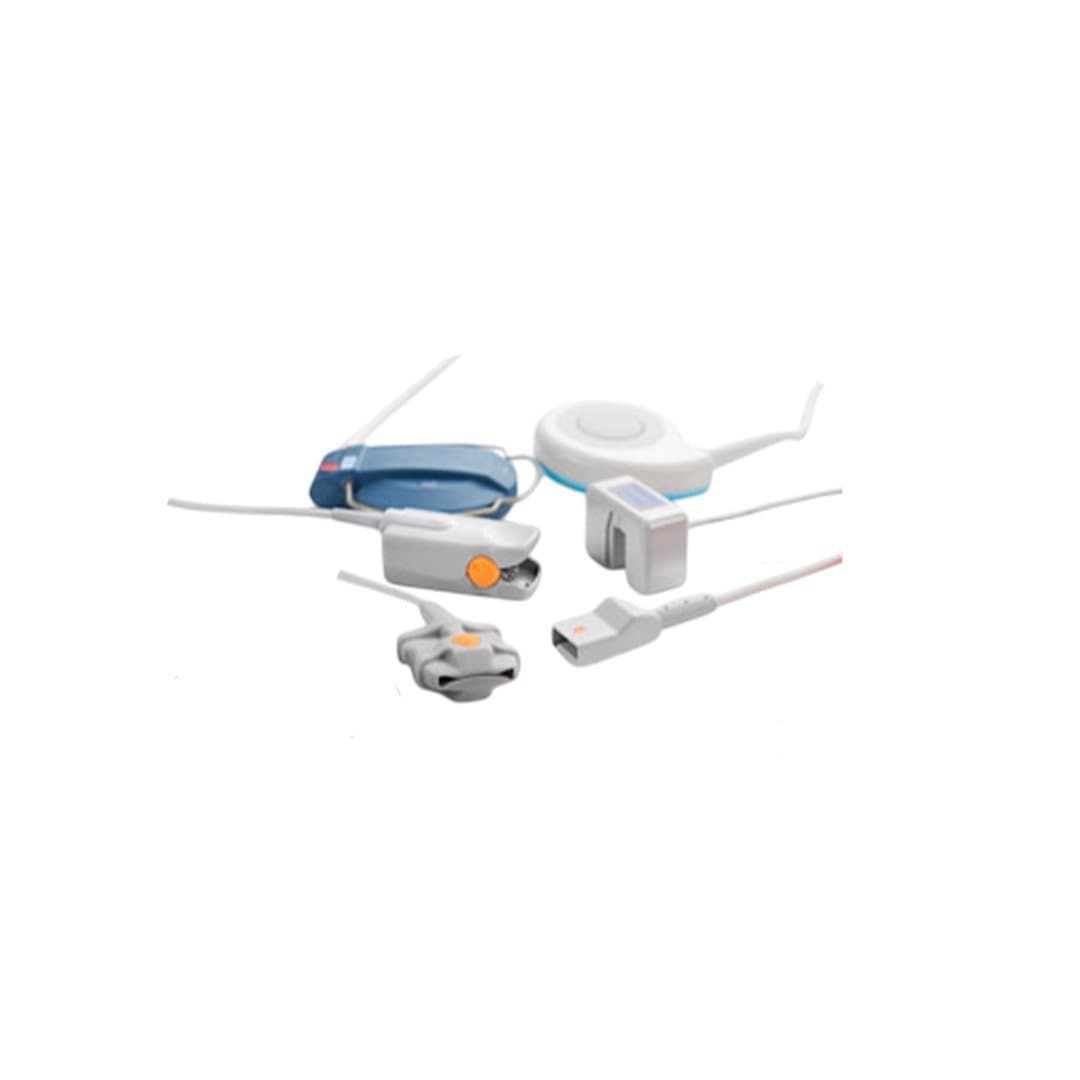
Cardiology equipment includes medical devices designed to diagnose, monitor, and treat heart and blood vessel conditions.
What types of cardiology equipment are commonly used?
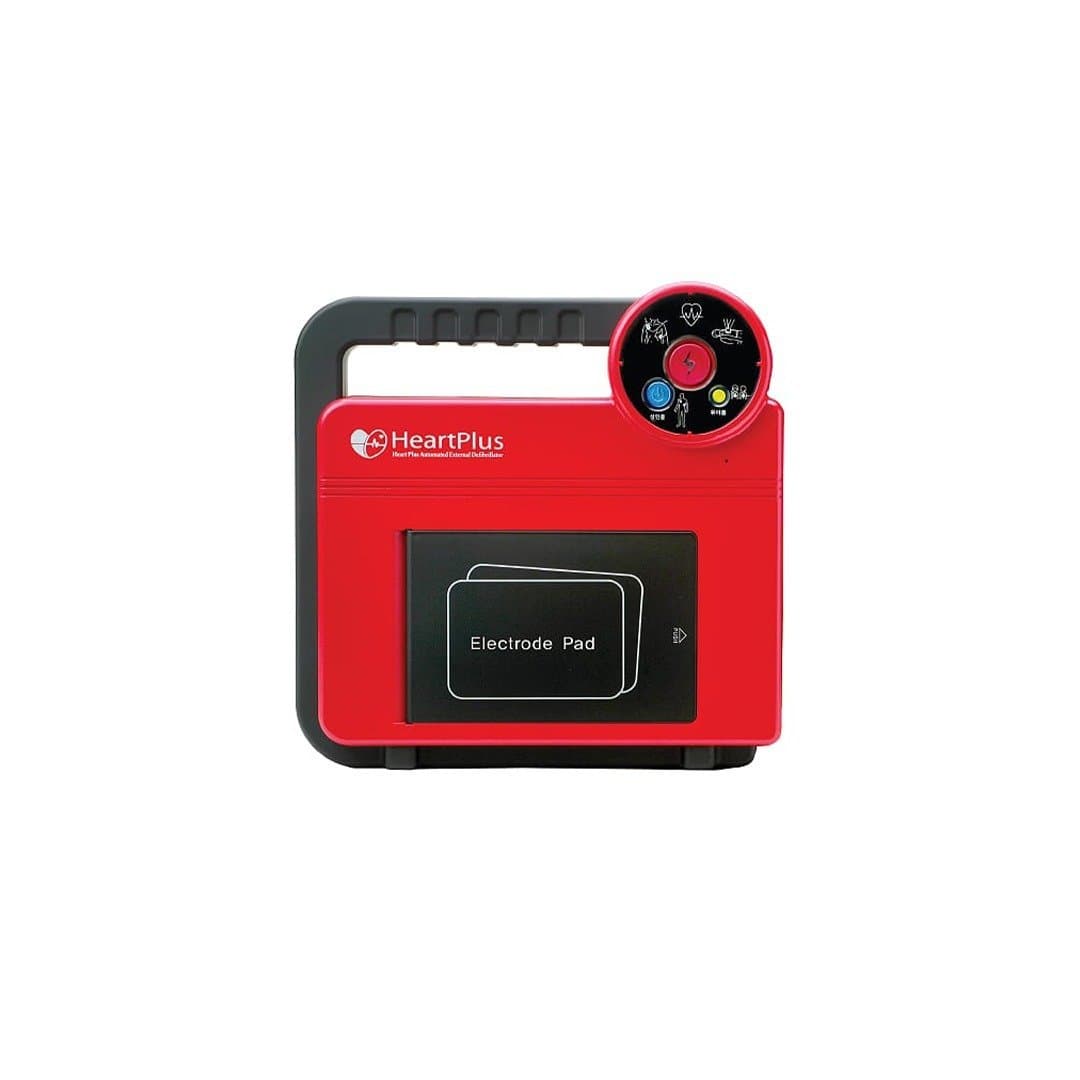
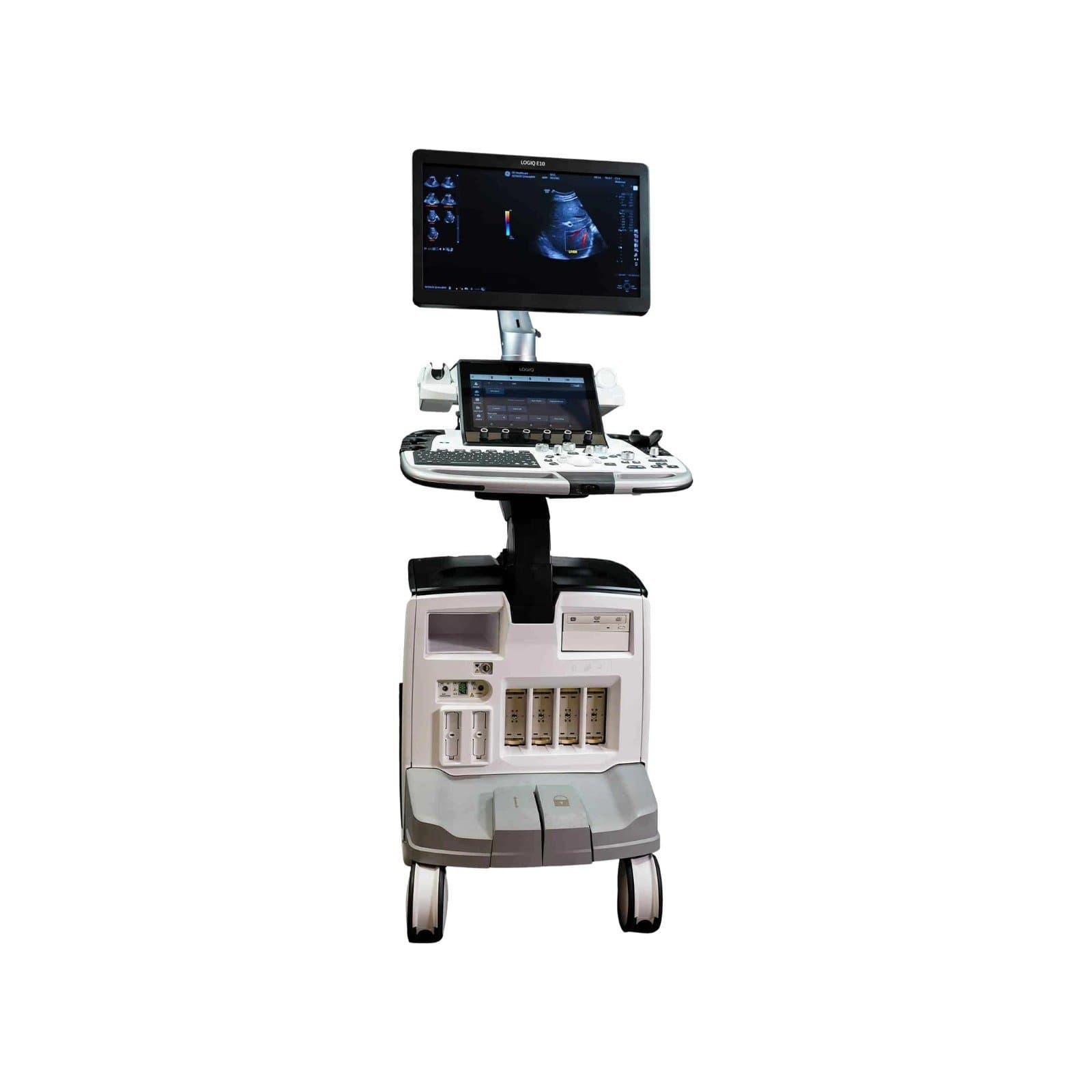
Common devices include ECG machines, Holter monitors, stress test systems, cardiac monitors, defibrillators, and echocardiography systems.
Where is cardiology equipment used?
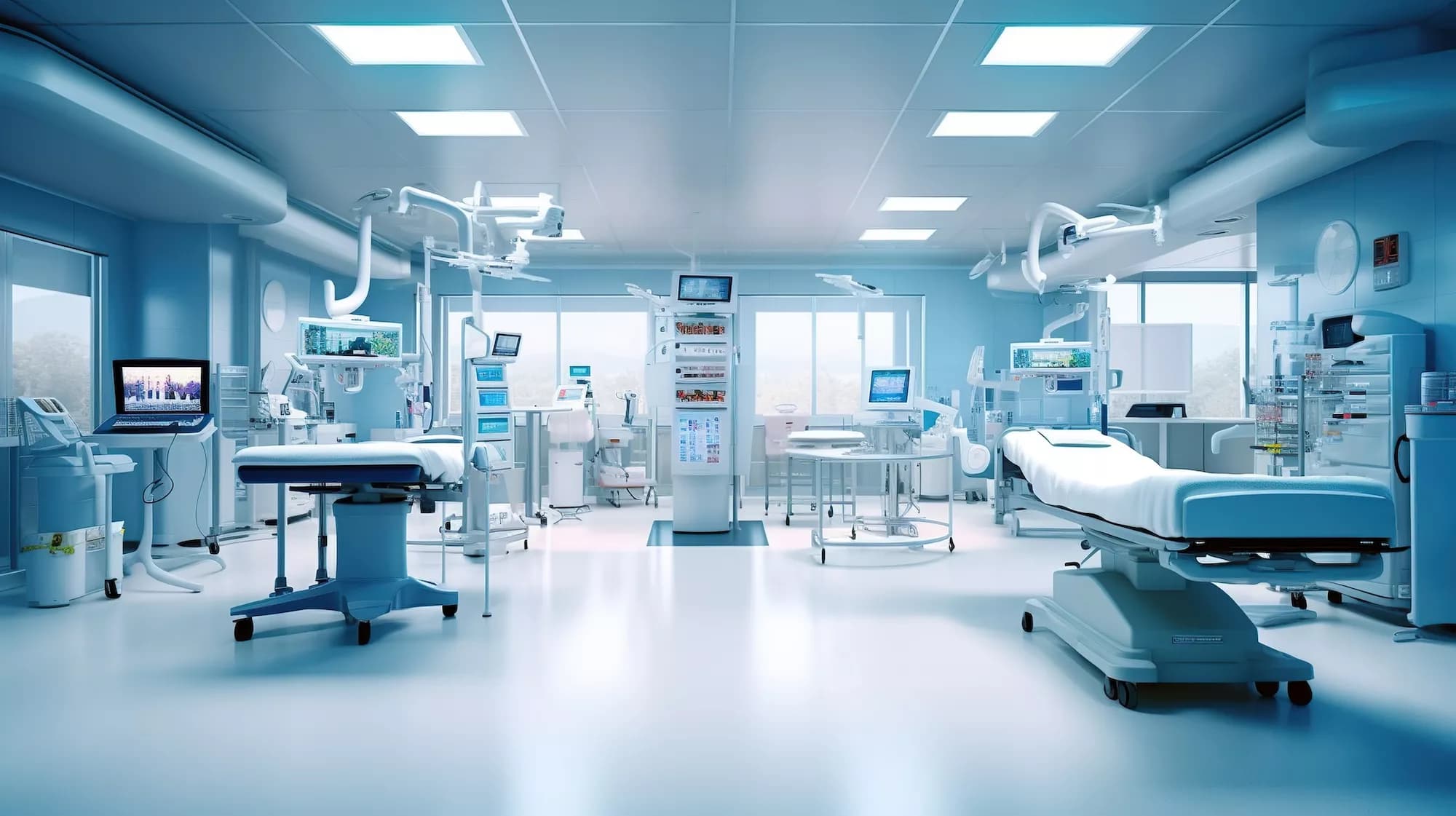
It is widely used in hospitals, cardiology clinics, diagnostic centers, emergency departments, and intensive care units.
Who operates cardiology equipment?
Trained healthcare professionals such as cardiologists, physicians, nurses, and technicians operate these devices.
Is cardiology equipment safe for patients?
Yes, modern cardiology devices are designed with safety standards and undergo strict quality testing to ensure patient safety.
How important is regular maintenance?
Routine maintenance and calibration are essential to maintain accuracy, extend device lifespan, and ensure reliable performance.
Can cardiology equipment detect heart problems early?
Yes, advanced devices help identify heart rhythm disorders and other abnormalities at an early stage.
. Does cardiology equipment support long-term monitoring?
Yes, certain devices such as Holter monitors and cardiac monitors provide continuous monitoring over extended periods.
What should be considered when purchasing cardiology equipment?
Factors such as accuracy, durability, ease of use, technical support, warranty, and compliance with medical standards should be considered.
Why is cardiology equipment important in healthcare?
It plays a vital role in early diagnosis, effective treatment planning, emergency response, and improving overall heart care outcomes.