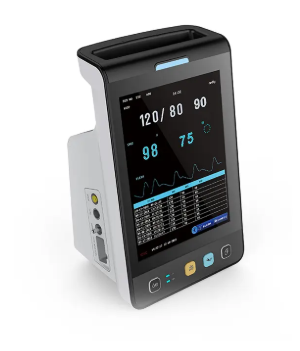
A Holter ECG monitor records heart rhythm continuously for 24 to 48 hours while patients go about their normal daily activities and sleep. This portable device captures detailed electrical signals of the heart, helping doctors detect irregular heartbeats and hidden cardiac conditions that may not appear during a routine ECG test. By providing accurate and extended monitoring data, a high-quality Holter ECG monitor supports precise diagnosis and effective treatment planning in hospitals, cardiology clinics, and diagnostic centers.
What is the Holter ECG Monitor?
A Holter ECG is a small, portable device that continuously records the heart’s electrical activity for 24 to 48 hours. It monitors heart rhythm while a person performs normal daily tasks and even during sleep. Unlike a regular ECG taken at a clinic, this test provides continuous data, helping doctors detect irregular heartbeats and hidden heart rhythm problems. Holter ECG monitoring also supports accurate diagnosis and helps assess how well heart treatments are working.
Key Advantages of the Holter ECG Test
Complete Heart Rhythm Recording: Continuously tracks the heart’s electrical activity for 24–48 hours, providing a full picture of rhythm patterns during day and night.
Accurate Detection of Intermittent Arrhythmias: Captures occasional or short-term irregular heartbeats that may not appear during a brief ECG test.
Improved Diagnostic Accuracy: Reduces the chances of missed diagnosis by monitoring the heart under normal daily conditions instead of a single clinic reading.
Evaluation of Unexplained Symptoms: Helps identify the cause of palpitations, dizziness, fainting, or chest discomfort through detailed rhythm analysis.
Assessment of Treatment Effectiveness: Monitors how well heart medications or procedures are controlling rhythm disorders.
Early Risk Identification: Detects potentially serious rhythm abnormalities early, supporting timely medical intervention.
Comfortable and Non-Invasive: Lightweight and wearable device allows patients to continue routine activities without pain or hospital stay.
Real-World Heart Monitoring: Records heart activity during work, rest, and sleep for realistic and reliable clinical evaluation.
Support for Long-Term Cardiac Care: Provides dependable data for follow-up consultations and personalized heart health management plans.
Importance of Holter ECG Monitor
Early Detection of Heart Rhythm Problems: Identifies irregular heartbeats and rhythm disturbances before serious cardiac complications develop.
Continuous 24–48 Hour Monitoring: Records the heart’s electrical activity during daily activities and sleep for a complete evaluation.
Accurate Diagnosis: Provides detailed heart rhythm data that may not appear in a short, in-clinic ECG test.
Better Treatment Planning: Helps doctors adjust medications and manage heart conditions more effectively.
Prevention of Serious Complications: Supports early management to reduce the risk of stroke, heart failure, and other cardiac issues.
Detection of Hidden Arrhythmias: Captures intermittent rhythm abnormalities that occur occasionally.
Monitoring Treatment Response: Assists in evaluating how well heart medications or procedures are working.
Improved Clinical Decision-Making: Offers reliable data for confident diagnosis and personalized heart care.
How to Use a Holter ECG Monitor
Step 1: Doctor’s Recommendation A cardiologist recommends a Holter ECG when continuous heart rhythm monitoring is needed to investigate palpitations, dizziness, chest discomfort, or suspected arrhythmias.
Step 2: Medical Evaluation The patient’s medical history, symptoms, and current medications are reviewed to determine the monitoring duration, usually 24 to 48 hours.
Step 3: Device Preparation The healthcare professional checks the recorder, battery status, memory capacity, and electrodes to ensure proper functioning.
Step 4: Skin Preparation Small areas on the chest are cleaned (and shaved if necessary) to help the electrodes stick properly and provide clear signals.
Step 5: Electrode Placement Adhesive electrodes are attached to specific areas of the chest to capture the heart’s electrical activity accurately.
Step 6: Connecting the Recorder The electrodes are connected to a small portable recording unit worn on a belt or shoulder strap, allowing free movement.
Step 7: Start of Monitoring Once activated, the device continuously records the heart’s rhythm automatically throughout the monitoring period. No manual action is required.
Step 8: Continue Normal Activities The patient carries on with regular daily tasks but should avoid bathing, swimming, or activities that may loosen the electrodes.
Step 9: Record Symptoms If symptoms such as palpitations, dizziness, or chest pain occur, the patient notes the time and activity to help correlate with ECG data.
Step 10: Monitoring Period The device stores continuous heart rhythm data during both daytime activities and sleep.
Step 11: Device Removal After the recommended duration, the patient returns to the clinic where the electrodes and recorder are removed safely.
Step 12: Data Analysis and Diagnosis The recorded information is downloaded and reviewed by the doctor to detect rhythm abnormalities, evaluate treatment response, and plan further care if needed.
Where To Get a Holter ECG Monitor ?
Holter ECG devices are available through certified medical equipment suppliers and authorized healthcare distributors. Hospitals, cardiology clinics, and diagnostic centers typically obtain Holter ECG systems from approved vendors who provide complete support services, including product delivery, installation guidance, and technical assistance. Choosing a trusted supplier ensures device accuracy, compliance with medical standards, and reliable after-sales service.
Fastonmed: A UAE-based medical equipment company that provides advanced Holter ECG monitoring systems for healthcare facilities. The company assists with product supply, setup support, user training, and ongoing technical service to ensure efficient and smooth clinical operation.
A regular ECG records heart activity for a few minutes in a clinic, while a Holter ECG monitors continuously for 24–48 hours to capture intermittent rhythm problems.