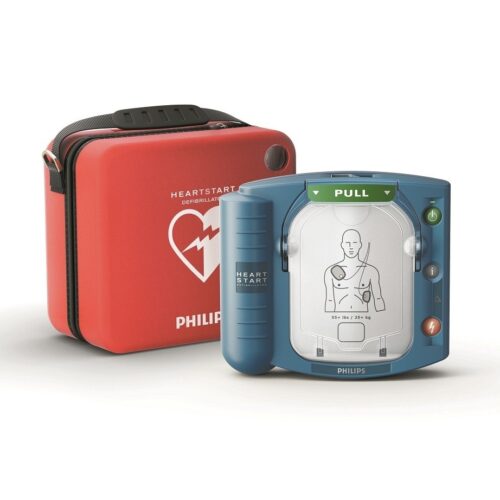
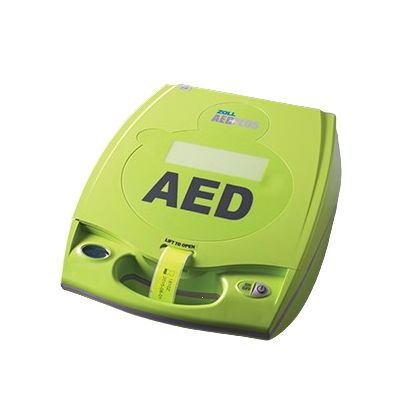
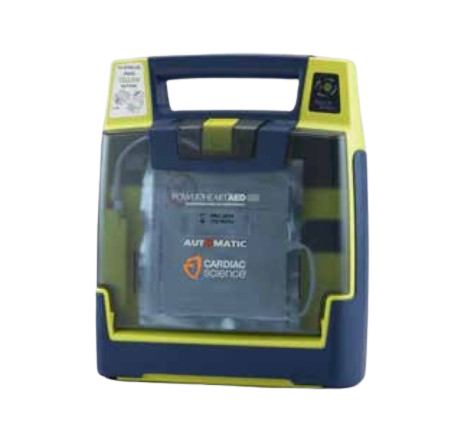
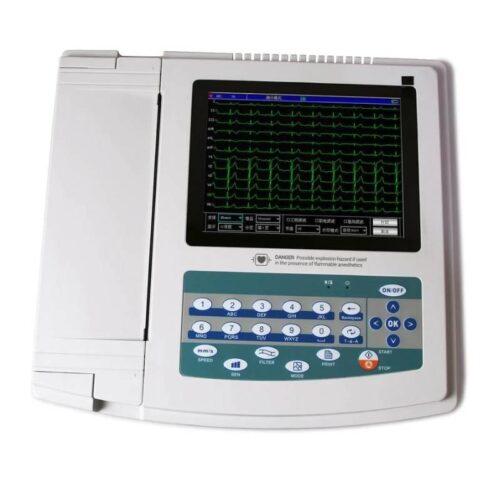
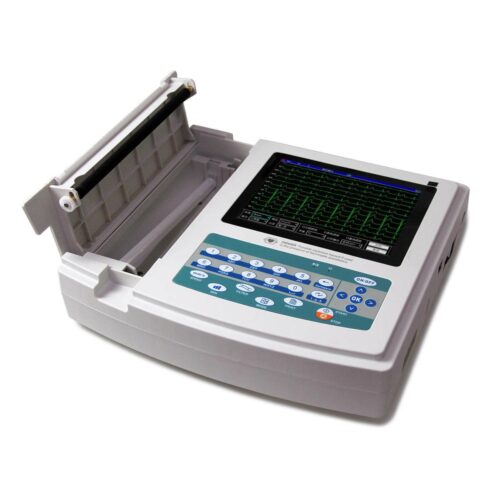
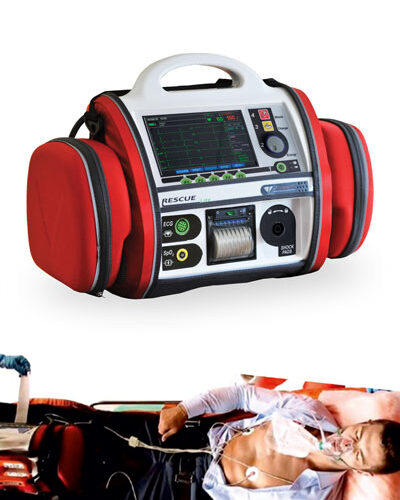
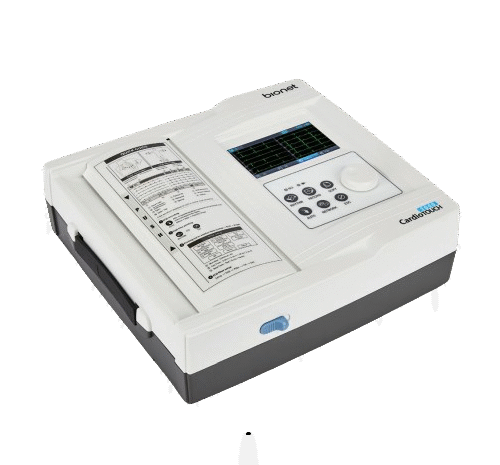
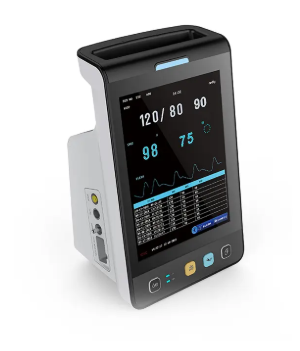
High-quality cardiology equipment plays an important role in accurate heart diagnosis and continuous patient monitoring. Devices such as ECG machines, Holter monitors, stress test systems, and defibrillators help detect heart conditions early and support effective treatment decisions. Advanced cardiac technology ensures reliable results, improved clinical efficiency, and better patient outcomes, making it essential for hospitals, cardiology clinics, and diagnostic centers.
What is the Cardiology Equipment?
Cardiology equipment consists of medical devices designed to check and manage heart health. These instruments help doctors measure heart rhythm, monitor electrical activity, assess blood flow, and detect possible heart problems. Examples include ECG machines, Holter monitors, cardiac monitors, defibrillators, and echocardiography systems. Such equipment plays an important role in early diagnosis, continuous monitoring, and proper treatment of heart conditions. It is commonly used in hospitals, heart clinics, and diagnostic centers to ensure safe and effective cardiac care.
Applications of Cardiology Equipment
Heart Rhythm Analysis:Cardiology devices are used to identify abnormal heart rhythms, palpitations, and electrical disturbances that may indicate underlying cardiac conditions.
Comprehensive Cardiac Diagnostics:Equipment such as ECG systems, stress testing units, and imaging technologies assist in detailed assessment of heart structure and function.
Real-Time Patient Monitoring:In intensive care and critical care settings, cardiac monitors continuously track vital parameters to ensure immediate response to any changes.
Emergency Cardiac Care:Defibrillators and advanced monitoring systems are essential in managing sudden cardiac arrest and other life-threatening heart emergencies.
Rehabilitation and Follow-Up Care:Cardiology equipment supports ongoing evaluation after procedures or treatment, helping physicians monitor recovery and maintain long-term heart health.
Screening and Preventive Checkups:These devices are also used during routine health screenings to detect early signs of cardiovascular disease before symptoms become severe.
Importance of Cardiology Equipment
Early Detection of Heart Conditions:Cardiology equipment helps identify heart problems at an early stage, allowing timely medical intervention before serious complications develop.
Comprehensive Cardiac Evaluation:Advanced devices provide detailed information about heart rhythm, electrical activity, and overall cardiac function for accurate assessment.
Accurate Diagnosis:Modern cardiology tools generate precise data that support clear and reliable identification of various heart diseases.
Improved Treatment Planning:Healthcare professionals can adjust medications, therapies, or procedures based on dependable diagnostic results.
Prevention of Severe Complications:Early diagnosis and proper monitoring reduce the risk of heart attack, stroke, heart failure, and other life-threatening conditions.
Detection of Hidden Cardiac Abnormalities:Specialized equipment can uncover conditions that may not be visible during routine examinations.
Monitoring Treatment Effectiveness:Cardiology devices assist in tracking patient progress and evaluating how well treatments are working over time.
Enhanced Clinical Decision-Making:Accurate and consistent data enable doctors to make confident decisions and provide personalized cardiac care.
How to Use Cardiology Equipment
Step 1: Doctor’s Advice A healthcare professional determines the need for specific cardiology equipment based on the patient’s symptoms, medical history, or diagnostic requirements.
Step 2: Patient Assessment The patient’s condition, vital signs, and clinical background are reviewed to select the appropriate cardiac device and testing method.
Step 3: Equipment Preparation The medical staff checks the device, power supply, accessories, and settings to ensure proper functioning before use.
Step 4: Patient Preparation If required, the patient is positioned comfortably, and necessary areas (such as the chest for ECG) are prepared to obtain clear and accurate readings.
Step 5: Device Setup and Connection Electrodes, sensors, cuffs, or probes are attached correctly according to the type of cardiology equipment being used.
Step 6: Calibration and Settings The device settings are adjusted based on patient needs, and calibration is performed if required to ensure precise measurements.
Step 7: Start Monitoring or Testing The equipment begins recording or displaying heart-related data such as rhythm, rate, blood pressure, or electrical activity.
Step 8: Observation During Procedure Healthcare professionals monitor the readings carefully and ensure the patient remains stable throughout the test.
Step 9: Completion of Test After the procedure, the device is turned off, and all attached components are removed safely.
Step 10: Data Review and Clinical Decision The collected data is analyzed by the doctor to diagnose heart conditions, evaluate treatment effectiveness, and plan further management if necessary.
Where To Get Cardiology Equipment?
Cardiology equipment is available through certified medical suppliers and authorized healthcare distributors. Hospitals and clinics should choose trusted vendors who provide quality products, proper documentation, and reliable technical support.
Fastonmed: A UAE-based medical equipment provider supplying advanced cardiology devices with installation support, user guidance, and dependable after-sales service for healthcare facilities.